Buying guide for best SD memory cards
Ready to buy now? Shop the best:
When it comes to electronic storage, one thing is true: It keeps getting smaller. Not capacity, mind you. Storage capacity, in megabytes, gigabytes and terabytes, is bigger than ever. What we mean is the physical size of the storage. Floppy disks, cartridges, video cassettes, rolls of film, they all had their day in the sun. But one kind of external storage has replaced them all, and fits on the tip of your thumb: the SD memory card.
SD, or secure digital, cards are basically flash chips embedded in a plastic jacket. They’re commonly found in two sizes, full-sized and microSD, and in all kinds of capacities, from the low megabyte range up to a couple of terabytes. They can fit into digital cameras for shooting photo and video, in smartphones and tablets for storage, in laptops for file transfer, and in handheld gaming consoles for extra room. They’re tougher than older media to erase, and more durable in many ways, although most aren’t made for frequent erasure and rewriting.
Picking the right SD card for you comes down to what device you’re using it with, and what you’re using it for. Professional videography and photography with a mirrorless or DSLR camera have different storage needs than a tablet used for watching videos at home. Our top pick, the SanDisk Extreme PRO full-sized SDXC card, is an SD card designed for high-end professional use, but we’ve got low-cost everyday options for you, too.
Editors' picks
SanDisk Extreme PRO SDXC Card
Editors' Choice
Type: SDXC | Capacity: 256 GB | Speed Classes: C10, U3, V30 | Max read speed: 200 MB/s
The robust, high-speed SanDisk Extreme PRO SDXC Memory Card is perfect for professional photography or 4K videography. With a maximum offload transfer speed of 200 MB/s, it has a shot speed/maximum write speed of 140 MB/s, suited for capturing sequential burst mode photos or recording 4K video. It’s resistant to water, magnets, extreme temperatures, X-ray exposure and humidity, so you don’t have to worry about taking them on location.
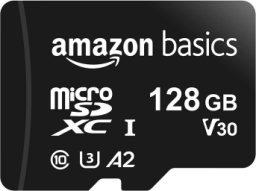
Amazon Basics microSDXC Memory Card
Great Value
Type: microSDXC | Capacity: 128GB | Speed Classes: C10, U3, V30, A2 | Max read speed: 100 MB/s
A microSD memory card can be more versatile than a standard SD card since it’s compatible with various devices such as tablets, smartphones, action cameras and portable gaming consoles. This AmazonBasics microSDXC Card comes with an SD adapter so you can use it with standard-size SD card slots and is capable of high-resolution video recording. It has an IPX6 water protection rating and is resistant to temperature changes, X-rays and magnets.
SanDisk Extreme MicroSDXC Card
Reliable but Affordable
Type: microSDXC | Capacity: 256 GB | Speed Classes: C10, U3, V30, A2 | Max read speed: 190 MB/s
If you’re a dedicated photographer or videographer looking for fast, dependable everyday storage, consider this SanDisk Extreme microSD card with SD adapter. This microSDXC card has maximum offload speeds of 190 MB/s and maximum write speeds of 130 MB/s, suitable for capturing fast-burst photography and 4K video, and is rated A2 for fast performance on mobile devices. It comes with an SD adapter for convenient transfer to a laptop with an SD slot.
SanDisk Ultra microSDXC UHS-I Memory Card
Best for Smartphones
Type: microSDXC | Capacity: 256GB | Speed Classes: C10, U1, A1 | Max read speed: 150 MB/s
If you’ve got an Android or other smartphone with a microSD slot for additional expansion, take advantage of it with a SanDisk Ultra microSD Memory Card. While not suited for professional photos or videos, everyday microSDXC card boosts your phone or other portable device’s storage to 256GB with solid transfer speeds of up to 150 MB/s. You can store your camera roll, selfie videos, downloaded music or shows and more without having to buy a whole new phone.
Samsung Evo Select MicroSDXC Memory Card
Best Cheap Card
Type: microSDXC | Capacity: 256 GB | Speed Classes: C10, U3, V30, A2 | Max read speed: 160 MB/s
Some SD cards can cost a pretty penny, but the Samsung EVO Select microSD Card can be had for around $13 a gigabyte or less. At this price, you get a V30-class, A2-rated all-around microSDXC memory card for expanding your Samsung Galaxy device, portable game console, security camera and more. Its speeds aren’t quite up to pro media recording, but for anything else, and considering its quality, it’s a solid, high-value card.
SanDisk High Endurance Video microSDXC Card
Best for Dash Cams
Type: microSDXC | Capacity: 256 GB | Speed Classes: C10, U3, V30 | Max read speed: 100 MB/s
Dash cams and home security systems need memory cards that prioritize durability and continuous recording stability over transfer speed. The SanDisk High Endurance microSDXC Card is designed to support the continuous recording of up to 20,000 hours of detailed Full HD (1080p) video from a dash cam or security cam. It’s also resistant to shock, moisture, temperature and other hazards it may encounter.
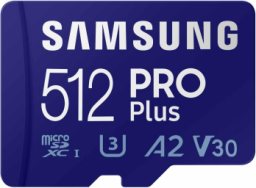
Samsung Pro Plus microSD Memory Card
For Fast Transfer Speeds
Type: microSDXC | Capacity: 512GB | Speed Classes: C10, U3, V30, A2 | Max read speed: 180 MB/s
Samsung’s PRO Plus line of microSDXC memory cards is designed for high-performance activities where fast transfer speeds are beneficial. This 512GB microSDXC card delivers maximum read speeds of 180 MB/s and maximum write speeds of 130 MB/s, suitable for high-speed photography when both capturing images and transferring them to a computer, which is made easier with the included SD card slot adapter.
SanDisk 128GB Extreme SDXC UHS-I Memory Card
Best for Cameras
Type: SDXC | Capacity: 128GB | Speed Classes: C10, U3, V30 | Max read speed: 180 MB/s
The 128GB SanDisk Extreme SDXC UHS-1 memory card is another excellent option for professional photographers and dedicated hobbyists who need fast, dependable extra storage. It has maximum offload read speeds of 180 MB/s with compatible hardware and 90 MB/s write speeds for capturing still photography and video. Like other SanDisk cards, it’s shockproof, temperature- and water-resistant, and stands up to magnets and X-rays.
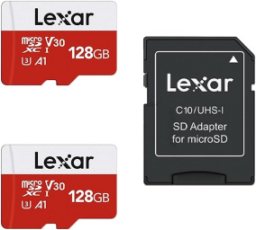
Lexar E-Series 128GB Micro SD Card 2-pack
Best Two-Pack
Type: microSDXC | Capacity: 128GB (each) | Speed Classes: C10, U3, V30, A1 | Max read speed: 100 MB/s
Get two cards in one pack with the Lexar E-Series 128GB microSD two-pack. This pair of 128GB microSDXC cards come with an SD-card adapter and deliver maximum offload speeds of 100 MB/s. Each can store up to six hours of 4K video or over 37,000 photos. With write speeds of about 45 MB/s, they’re not geared for pro-level or high-speed capture, but they’re solid, dependable choices for smartphone expansion and photography.
SanDisk Ultra SDHC UHS-I Memory Card
Best Under $10
Type: SDHC | Capacity: 32 GB | Speed Classes: C10, U1 | Max read speed: 120 MB/s
The SanDisk Ultra SDHC UHS-1 Memory Card may be a little older, smaller and slower than SDXC models, but it’s a trusty storage device for offloading documents, old photos, music and any other digital keepsakes you want to preserve. With a write speed of just 30 MB/s, it may take longer to copy or transfer files than faster cards, but as an archiving option, its price is hard to beat.
How we analyzed
We consulted the top brands and manufacturers of SD memory cards, including SanDisk, Samsung and Lexar, to understand the history, technologies and use cases of SD cards. We then surveyed the best available SD memory cards on the market, looking not just at capacity but also at speed and capability during different activities, such as 4K video recording, high-speed still photography, smartphone expansion, security video recording and gaming.
Types of SD memory cards
SD memory cards
SD memory cards are the original format of SD memory, and they come in storage amounts of up to 2GB of data. SD cards are the slowest memory cards available but are compatible with all card readers.
SDHC memory cards
Secure Digital High Capacity memory cards are like SD cards, but they transfer data faster and come in capacities of up to 32GB. SDHC memory cards aren’t compatible with SD card-only readers, but most modern card readers can handle an SDHC memory card. The SanDisk Ultra is an example of a current SDHC card.
SDXC memory cards
Secure Digital Extended Capacity memory cards offer the best performance and most storage of all SD cards. They come in storage sizes ranging from 32GB to 2TB. Like SDHC memory cards, SDXC memory cards require a compatible reader. The SanDisk Extreme PRO, for instance, is an SDXC memory card.
microSD memory cards
Smaller than the SD-sized memory card family, microSD memory cards were pioneered to fit into small portable devices, like smartphones, security cameras and portable gaming consoles, that didn’t have the space to hold a full-sized SD card. MicroSD cards come in microSDHC and microSDXC capacities and can be used in full-size SD card slots via adapters. The majority of our picks, including the AmazonBasics microSD cards, are microSDXC cards.
What to consider when choosing an SD memory card
Type
Make sure you’re using the type of SD memory card most suitable for your device. Older devices may be only compatible with SD cards and can’t take advantage or even accept newer SDHC or SDXC formats. Smartphones, portable gaming consoles, dash cams and other devices only accept microSD-sized cards. SanDisk, notably, discourages using microSD-sized cards in SD-sized adapters for actually recording media as opposed to transferring data.
Capacity
SD memory cards range from as low as 32GB to over 512GB in storage capacity. 4K or 8K video needs the biggest capacities you can afford, but huge 1TB or 2TB cards may not be the best choice for smartphone expansion, for example, and can cost an arm and a leg compared to smaller-capacity cards. Smaller-capacity cards, especially those under 128GB, tend to be slightly slower than higher-capacity cards.
Maximum read speed
The easiest spec to find on an SD memory card, this refers to the maximum speed it offers when reading or offloading data, such as 100 MB/s (megabytes per second) or faster. The faster the read speed, the faster you can get data off the card.
Speed class rating
Write speeds are slower than read speeds. Speed class ratings let you know in a general way how fast an SD memory card writes.
- C-rating: Denoted by “C” and a number on the card, it shows the basic minimum write speed. C2, for example, has a minimum write speed of 2 MB/s, while C10 has a minimum write speed of 10 MB/s. All the cards we’ve picked are C10 class, with the slowest of them reaching 30 MB/s write speed.
- U-rating: Shown as “U” with a number on the card, it defines the faster minimum write speeds for UHS (ultra-high-speed) cards. U1 has a minimum write speed of 10 MB/s, and U3 has a minimum of 30 MB/s. For instance, the SanDisk Ultra SDHC is a U1 card, since it tops out at 30 MB/s write speed, as is the SanDisk Ultra microSD card. Most of our top picks are U3-rated.
- V-rating: This refers to video-level minimum write speeds and is displayed as “V” with a number on the SD card. Video has faster requirements in write speeds, which is why some cards have V-class ratings and some, which are not ideal for video, don’t. The V-class speeds start at V6 or 6 MB/s all the way to V30 or 30 MB/s.
- A-rating: Unlike the others, this rating shows the speed of a memory card at random read/write operations. This is important if you want to use a memory card as expansion for smartphones or handheld gaming as opposed to recording and transferring large amounts of data, as in cameras. If a card doesn’t advertise an A-rating, it may be less effective at device expansion compared to media recording. There are two A-ratings — A1 and A2 — and A2 is faster.
Essential SD memory card accessories
Memory card case
Many photographers buy several SD memory cards and then cycle through them regularly. If you’ve got more than a handful of SD memory cards, an organizing case can help ensure none get lost, and the ones you need most are always accessible.
USB card reader
If your computer doesn’t have a built-in SD memory card reader, getting one is essential, as you won’t be able to transfer your files without it. Most USB card readers have multiple ports, so buying one has the added benefit of expanding your computer’s connectivity options. Some SD card brands say you can get the best performance from their cards only with their own dedicated card readers.
Smartphone memory card adapter
If you want to use your SD memory card to make copies of the photos on your phone, you’ll need a smartphone memory card adapter. Make sure the one you buy is compatible with your phone’s USB port.
Tips
- The better the camera, the larger the photo files will be, so you must choose an SD memory card with the right amount of storage. Take a photo with your camera, then examine the file size. With that number in mind, you can determine how much storage you’ll need for hundreds or thousands of photos.
- No matter the device, SD memory card storage always goes faster than you think. You can avoid running out of space at a crucial photo op by buying more than you think you need. Most users never complain about having too much storage.
- There are a lot of SD memory card knockoffs out there. Imitation SD memory cards are often slow and sometimes don’t include the full advertised storage capacity. Buy SD memory cards only from trusted brands and retailers.
FAQ
Q. How much does an SD memory card cost?
A. You can find a decent memory card for $10 to $20, but they aren't typically as fast and don’t offer as much storage space as premium cards. The best cards can cost anywhere from $30 to $200, depending on the storage size and speed class.
Q. How long can I keep my data on an SD memory card?
A. Most data will be safe on an SD memory card for up to 10 years from when you first buy the card. However, SD memory cards degrade over time, so it’s best to make backup copies of your content continuously. It’s possible to extend the life of an SD memory card by using a computer to reformat the storage. Reformatting resets the clock on decay but also wipes out everything on the card, so you must perform a backup beforehand. SanDisk, for one, recommends reading or writing to a card at least once a year to keep it active.
Q. How do I get data off an SD memory card?
A. You’ll need an SD memory card reader to transfer files from an SD memory card to a computer. Most laptops have built-in SD memory card readers where you can insert one and the operating system will recognize it as local storage. If your computer doesn’t have a built-in reader, you’ll need to buy a USB card reader.
Q. Is an SD memory card the same thing as an xD-Picture Card?
A. No. An xD-Picture Card is a unique memory card that only works in certain Fujifilm and Olympus cameras. If you own a Fujifilm or Olympus camera, check if it accepts xD-Picture Cards or standard SD memory cards before buying additional storage.
Q. Is an SD memory card the same thing as an xD-Picture Card?
A. No. An xD-Picture Card is a unique memory card that only works in certain Fujifilm and Olympus cameras. If you own a Fujifilm or Olympus camera, check if it accepts xD-Picture Cards or standard SD memory cards before buying additional storage.
Q. How do I choose between a full-size SD card and a microSD card?
A. The main factor is device compatibility: cameras often use full-size SD cards, while phones, tablets, action cameras, and handheld consoles usually need microSD. For example, the SANDISK 128GB Extreme SDXC UHS-I Memory Card fits many cameras, while the SANDISK Ultra microSDXC UHS-I Memory Card is better suited to smartphones and compact devices. If you want one card format to move between devices, a microSD card with an adapter can be more flexible.
Q. What speed ratings matter most for 4K video or burst photography?
A. For sustained video recording and fast photo capture, look for U3 and V30 ratings, plus strong read and write speeds. Models like the SANDISK Extreme PRO SDXC Card and the SAMSUNG Pro Plus microSD Memory Card are built for higher-performance shooting and faster offloads. If your use is more casual, a card like the SANDISK Ultra SDXC Memory Card can be enough, but it is not aimed at heavy video work.
Q. What should I look for in a card for a dash cam or security camera?
A. Endurance matters more than peak transfer speed because these devices overwrite footage constantly. The SANDISK High Endurance Video microSDXC Card is designed for continuous recording, with support for long hours of Full HD video and resistance to heat, moisture, and shock. A standard card such as the AMAZON BASICS microSDXC Memory Card can work for general storage, but it is not built for the same constant write cycles.
Q. How much storage do most people actually need?
A. It depends on file size and how often you offload content, but more capacity is helpful if you shoot high-resolution photos or lots of video. The LEXAR E-Series 128GB Micro SD Card 2-pack is useful if you want multiple cards for backups or different devices, while the SAMSUNG Evo Select MicroSDXC Memory Card gives you a single 256GB option for more room on a phone or game console.
Q. Do adapters and card readers make a difference when buying an SD card?
A. Yes, because an adapter lets a microSD card fit into a standard SD slot, and a good reader affects transfer speed. Cards like the SANDISK Extreme MicroSDXC Card and the SAMSUNG Pro Plus microSD Memory Card include SD adapters, which makes moving files to a laptop easier. If your computer already has a fast SD reader, a full-size card such as the SANDISK Extreme PRO SDXC Card may be the simplest option.
Our expertise
Jmar Gambol is a writer and product tester for BestReviews. He has written almost 200 articles and buying guides, as well as tested products as varied as coffee presses, robot vacuums, laptops and smartphones.
Kevin Luna has a love for all things tech, sports, fitness and gadgets. As a longtime writer for BestReviews, he enjoys writing engaging, high-quality guides to help shoppers make smart buying decisions.