According to the Environmental Protection Agency, wildfire smoke contains pollutants and fine particles that can be irritating to the respiratory system. High levels of exposure can cause coughing, phlegm, wheezing and difficulty breathing. Depending on where you live in the U.S., wildfire season may soon be in full swing in your area, so read on to find out how to improve air quality in your home.
Sign up for the BestReviews newsletter: Exclusive deals and expert picks, in your inbox.
If you’re concerned with your home’s air quality, it may be helpful to consider factors that contribute to air pollution in your area. Smog, particle pollution and wildfire smoke reduce air quality, which can negatively impact your health. Although you can’t quickly change the outdoor air quality, there are several things you can do to improve the air quality in your home and office.
In this article: AIRDOCTOR AD3500 Air Purifier, Levoit Air Purifier and Air Oasis iAdapt 2.0
Subscribe to BestReviews on Substack for the top trending product news of the week.
Poor indoor air quality poses numerous risks to your health. In some cases, you’ll notice these impacts immediately, and in other cases, it may take years before you see a significant change in your health. Immediate effects from poor air quality may include irritated eyes, sore throat, dizziness and fatigue. Those with asthma will likely notice their symptoms worsen. Additionally, continuous exposure to indoor air pollutants can cause respiratory diseases, heart disease and cancer.
Identifying indoor air pollution can be tricky. One telltale sign is determining whether or not you feel better outside your home. If you develop headaches, cough or your eyes water when you’re home, there is a good chance you have poor indoor air quality. Additionally, there are several air quality monitors you can set up in your home to test your air quality.

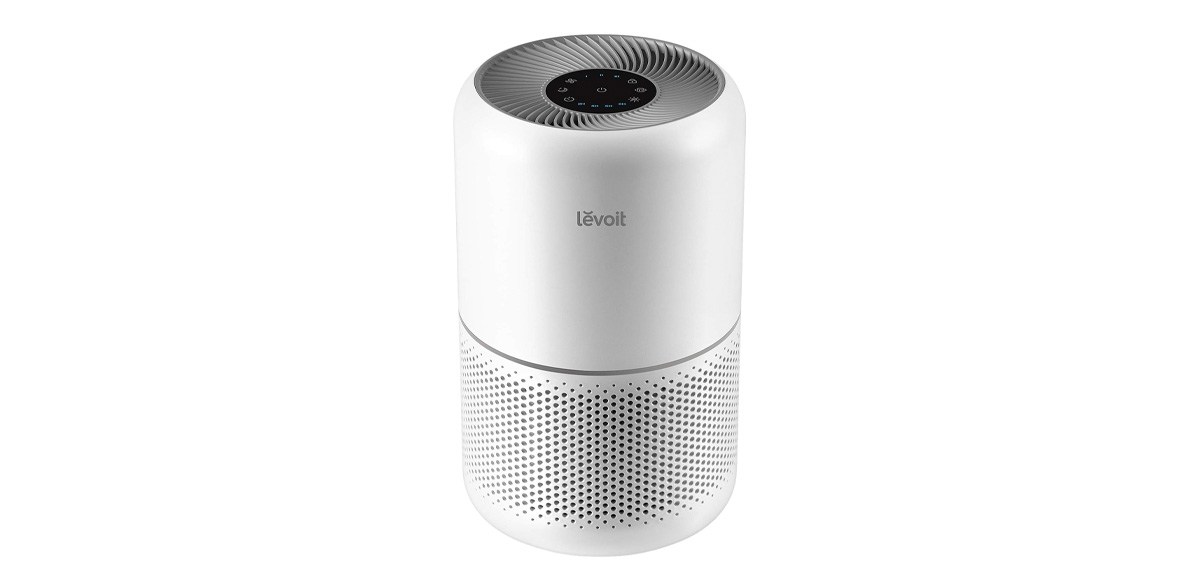
This air purifier features a sleek design and is super easy to set up and use. It features a built-in air-quality monitor and runs silently when your air is clean. During testing, it became slightly louder when our air quality dropped and the fan sped up. We noticed significant changes in our room’s air quality and it even helped clean the air of smoke and pollutants from nearby wildfires.

While testing, we noticed air quality improvements that reduced allergies and the smell from our fireplace. The highest setting is relatively loud, but the sleep fan setting is nearly silent. Assembling this was easy, and it worked great in rooms up to 219 square feet.

If you're looking for a professional-grade air purifier that is unobtrusive and quiet, this is a great option. The company says this air purifier's medical-grade True HEPA (H13) filters can remove miniscule particles for up to two years without needing to be changed.

While testing this, we found it to be among the easiest to use. There is only one button and you push it multiple times to adjust the settings. This removed smells from our room and made the air feel cleaner. We tested this during fire season and found that it reduced chronic cough and chronic headaches that usually persist during fire season.

The Dyson Purifier Cool is able to sense, capture and trap pollutants for an area of 99 square feet. It's controllable via the Dyson app and can be programmed to turn off at certain intervals. In Night mode, it operates more quietly and the display dims. It can also be controlled using Alexa, Siri or Google Home.
Prices listed reflect time and date of publication and are subject to change.
Check out our Daily Deals for the best products at the best prices and sign up here to receive the BestReviews weekly newsletter full of shopping inspo and sales.